
Physiognomy
What is Physiognomy?
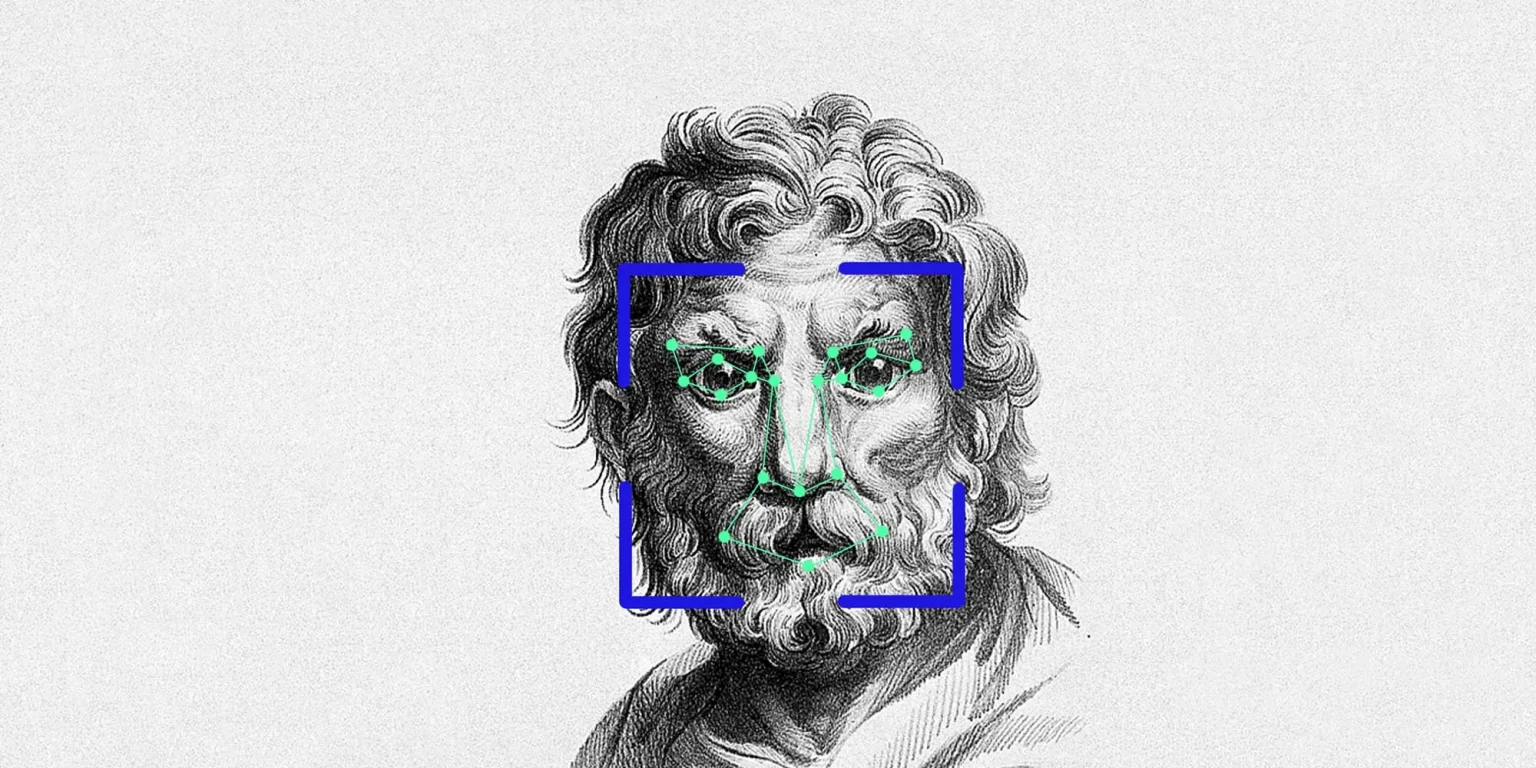
Physiognomy is the practice of evaluating a person's character or personality based on their external appearance, especially their face. It is also commonly known as face reading.
Physiognomists analyze facial lines, shapes, proportions, moles, and expressions to gain insight into a person's personality traits, emotions, thoughts, and potential.
Physiognomy is an ancient practice that has been used in various cultures throughout history. Today, it is also applied in fields such as business, law enforcement, intelligence, psychology, and communication.
How is Physiognomy Performed?
Physiognomy is based on observation and analysis. Physiognomists carefully examine a person's face and compare different facial features to make interpretations. These interpretations can provide a general idea about a person’s character as well as reveal specific emotions or thoughts.
Important Points About Physiognomy:
Physiognomy is not an exact science. The information obtained through face reading is merely interpretative and may not always be accurate.
- Physiognomy does not reflect all aspects of a person. Facial features can only reveal certain parts of one's character.
- Physiognomy should be used ethically. Information obtained through face reading should not be used without the person's consent or for discriminatory purposes.